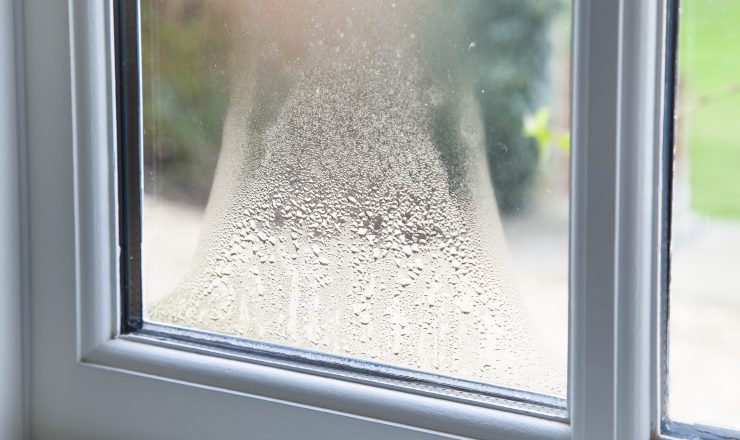
Understanding Failed Double Glazing: Causes, Effects, and Solutions
Double glazing has actually gained significant popularity as a window service for homes and offices due to its energy efficiency and sound decrease properties. However, like any structural function, double-glazed windows are not unsusceptible to failure. Failed double glazing describes the wear and tear of the insulating homes of double-glazed seal units, which can lead to various issues impacting comfort, energy costs, and looks. This article dives into the causes, results, and potential solutions for failed double glazing.
What is Double Glazing?
Double glazing consists of 2 panes of glass separated by a gas-filled space, typically Argon or Krypton, which minimizes heat transfer. This design successfully insulates against heat loss in winter and heat gain in summertime, ultimately reducing energy costs for homeowners. The seal, typically made of a resilient product, keeps moisture out and keeps the insulating gas in between the panes.
Causes of Failed Double Glazing
Numerous aspects can result in the failure of double-glazed windows, each impacting their efficiency and life-spans. Below is an extensive list of common causes:
- Sealant Failure: The most common cause of double-glazing failure is the deterioration of the sealant. Gradually, the seal can end up being breakable due to extreme temperature variations, direct exposure to UV light, or basic wear and tear.
- Moisture Ingress: Once the seal fails, moisture can penetrate the airspace in between the glass panes, leading to fogging or condensation.
- Thermal Stress: Rapid temperature level modifications can cause undue stress on the glass panes, causing cracks or warping.
- Poor Installation: Incorrect setup can compromise the seals and cause early failures.
- Production Defects: Some double-glazed units may suffer from defects during production, which can add to failures later on.
- Age: Like the majority of building products, double glazing has a life-span. Generally, it can last in between 10 to 20 years before showing signs of wear.
Table: Causes of Failed Double Glazing
| Cause | Description |
|---|---|
| Sealant Failure | Deterioration of seals due to age or weathering |
| Moisture Ingress | Entry of moisture into the airspace in between panes |
| Thermal Stress | Cracks or warping due to quick temperature modifications |
| Poor Installation | Improper fitting that weakens seals |
| Manufacturing Defects | Production errors that compromise system stability |
| Age | Natural wear and tear in time |
Results of Failed Double Glazing
The consequences of failed double-glazed windows can be rather diverse, affecting both convenience and costs for property owners. The following prevail impacts of double glazing failure:
- Reduced Energy Efficiency: One of the primary advantages of double glazing is energy savings. When a system stops working, homes end up being less energy effective, resulting in increased cooling and heating expenses.
- Loss of Aesthetic Appeal: Condensation or fogging in between panes can impact the appearance of windows and the total look of a property.
- Decreased Comfort: Failed units can cause drafts and varying temperature levels inside a home, resulting in pain for occupants.
- Sound Insulation Problems: The insulating homes that reduce outside noise are considerably diminished when a double-glazed system stops working.
Unloading the Effects of Failed Double Glazing
- Higher Energy Bills: Homeowners may see increased costs due to compromised insulation.
- Visual Obstruction: Cloudy or foggy windows can interfere with the interior and outside aesthetic appeals of a home.
- Increased Condensation: Excess moisture can lead to a series of problems, consisting of mold growth and structural damage.
- Compromised Comfort: Variability in indoor temperatures impacts living comfort.
Solutions for Failed Double Glazing
Attending to failed double glazing is important for upkeep and comfort. The following solutions are commonly pursued:
- Repairing the Seals: If the issue is localized, it may be possible to replace the seals without altering the entire system.
- Replacement of the Unit: In cases where the seals have failed considerably or moisture has permeated, total replacement of the double-glazed system might be needed.
- Cleaning: Sometimes, problems can come from dirt and gunk build-up. Cleaning up Misted Windows , where possible, can in some cases alleviate perceived fogging. Nevertheless, this is typically not effective for sealed units.
- Improving Ventilation: To fight moisture accumulation, boosting home ventilation can require more economical solutions than window replacement.
- Considering Secondary Glazing: If replacement is too costly, secondary glazing can increase existing double glazing's effectiveness.
Pros and Cons of Each Solution
| Option | Pros | Cons |
|---|---|---|
| Repairing the Seals | Cost-effective; maintains existing windows | Short-lived; not always possible |
| Replacement of the Unit | Restores performance; offers new guarantee | More pricey; might require significant time |
| Cleaning | Simple; typically low-cost | Often inefficient for fogged units |
| Improving Ventilation | Improves indoor air quality | Might not deal with issues straight |
| Secondary Glazing | Includes extra insulation; generally more affordable than replacement | Might not always be visually pleasing |
Regularly Asked Questions (FAQs)
1. For how long does double glazing last?
Normally, double glazing can last between 10 to twenty years, depending on the quality of installation and the materials utilized.
2. Can I repair failed double glazing?
Sometimes, small failures may be fixed by replacing the seals. Nevertheless, significant moisture ingress usually requires replacement of the system.
3. How do I understand if my double glazing has failed?
Common signs consist of fogging or condensation between the glass panes, visible cracks, or drafts near the windows.
4. Is it possible to prevent double glazing failure?
Regular maintenance and correct setup can assist to extend the life expectancy of double-glazed windows and prevent failures.
5. Will malfunctioning double glazing affect my home's worth?
Yes, failed double glazing can negatively affect the aesthetic appeal and energy performance of a home, possibly impacting its market price.
Failed double glazing is an issue that can impact any property, however understanding its causes, impacts, and solutions can empower house owners. Routine inspection and upkeep are vital to identifying issues early and ensuring the long-term efficiency of double-glazed windows. In picking the suitable response to failed double glazing, house owners can bring back convenience and energy effectiveness while securing the quality and worth of their home.